

Prof Mason
Liverpool Foot and Ankle Clinic
To book an appointment, either email or phone the number below or click the link.
E-mail: CVDWclerical@outlook.com
Contact Patient Liaison: 07717580737

Mr Lampridis
Liverpool Foot and Ankle Clinic
To book an appointment, either email or phone the number below or click the link.
E-mail: Oaklands.PrivatePatient@ramsayhealth.co.uk
Contact Patient Liaison: 01617877700
Heel Pain - Plantar Fasciitis
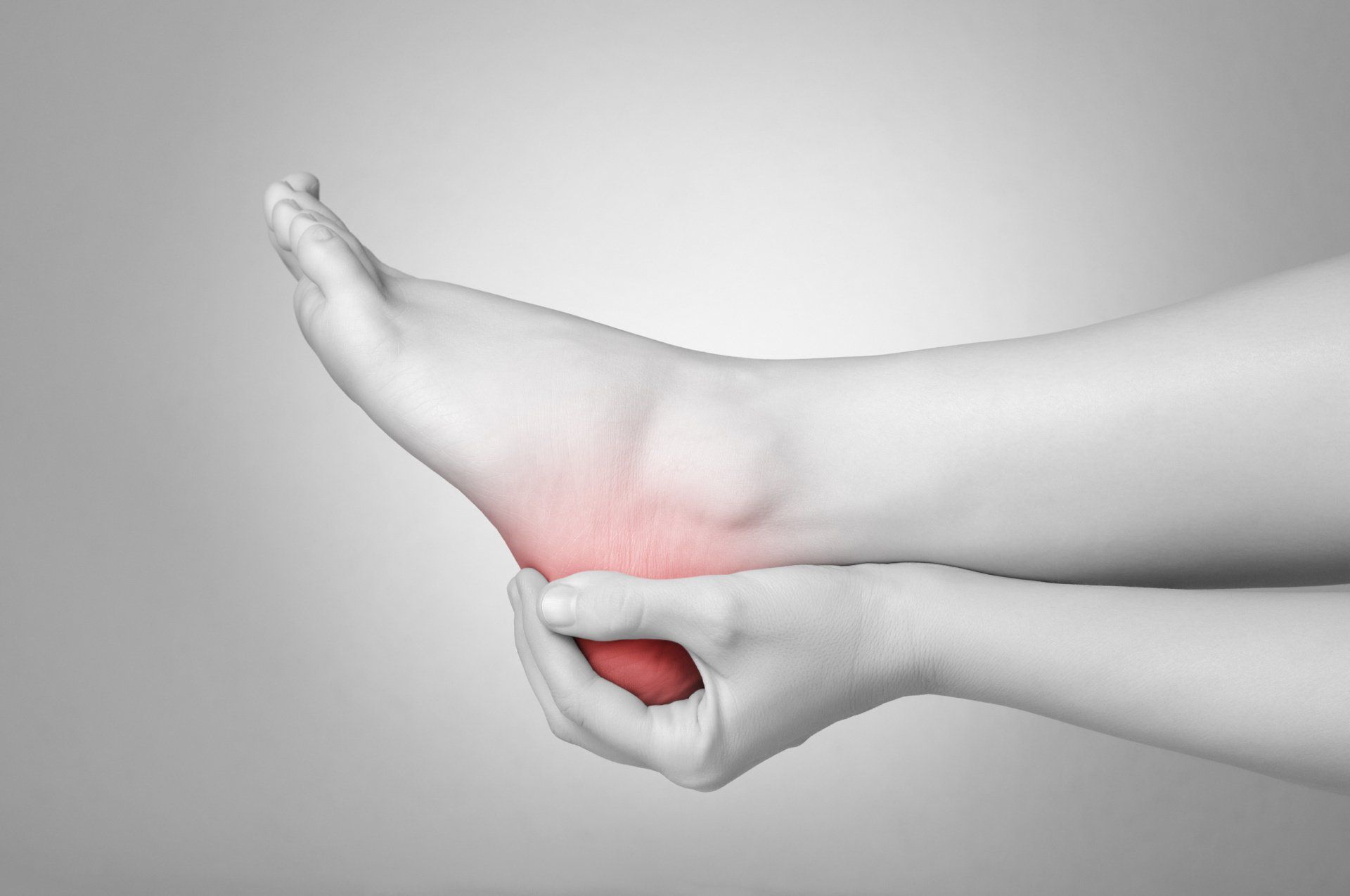
What is Plantar Fasciitis?
Plantar fasciitis is the most common cause of pain under the heel. It develops when the plantar fascia, a strong band of tissue supporting the arch of the foot, becomes overloaded over time.
Despite the name, it is usually not an inflammatory condition, but a problem related to repeated strain and reduced tissue healing.
The Causes of Plantar Fasciitis
Plantar fasciitis usually develops due to a combination of factors rather than a single cause.
1. Tight calf muscles (gastrocnemius tightness)
- Limited ankle movement places extra strain on the plantar fascia
- People with poor ankle flexibility are significantly more likely to develop heel pain (x23 more likely, linear relationship between pain and tightness)
- This is one of the most important and treatable causes
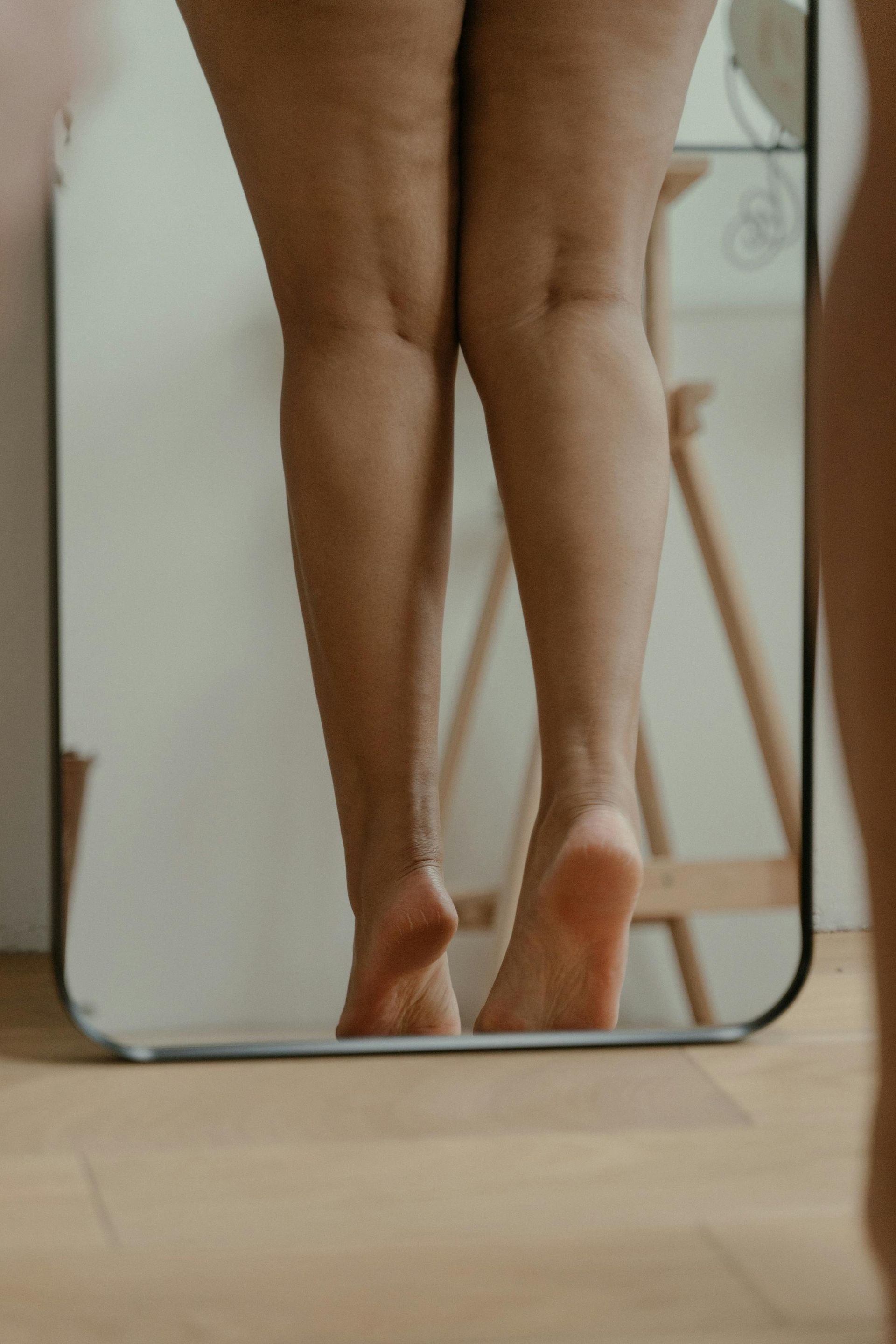
2. Sleep position
- Sleeping with the foot pointed down (plantar-flexed), particularly in belly sleepers
- Causes the calf and plantar fascia to tighten overnight (see blog)
- Leads to sharp pain with the first steps in the morning
3. Mechanical overload
- Long periods of standing (especially at work)
- Sudden increase in walking, running, or activity (“weekend warrior” pattern)
- High forces repeatedly passing through the heel during everyday walking
4. Weight and metabolic factors
- Higher body weight increases load through the heel
- Central body fat and raised cholesterol can weaken tendon and fascia tissue
- Diabetes and metabolic conditions reduce tissue healing capacity
5. Footwear and lifestyle
- Poorly supportive shoes
- Hard floors and barefoot walking
- Reduced overall conditioning
Typical history and symptoms
Common symptoms
- Pain under the heel, usually on the inner side
- Worst first thing in the morning
- Pain when standing after sitting or resting
- Pain may ease with movement but returns later in the day
Important features your clinician asks about
- Pain pattern (morning pain is typical)
- Recent changes in activity or exercise
- Occupation (especially prolonged standing)
- Previous foot or ankle problems
- Other medical conditions such as diabetes or inflammatory disease
Red flags (uncommon but important)
- Pain at rest that does not improve with weight-bearing
- Numbness, burning, or pins-and-needles
- Sudden severe pain after trauma - These may suggest other causes of heel pain and need further assessment.
First-line treatment (most important)
Calf stretching
- Key treatment for plantar fasciitis
- Improves ankle movement and reduces strain on the heel
- Needs to be done daily and long-term
Plantar fascia–specific stretching
- Stretching the sole of the foot directly
- Proven to reduce pain and improve function
- More effective than general Achilles stretching alone
Load reduction
- Modify activity rather than stopping completely
- Avoid sudden spikes in walking, running, or standing
Footwear and supports
- Supportive shoes with cushioning
- Full-length contoured insoles are more effective than heel cups
- Avoid walking barefoot on hard floors
Night splints or foot positioning pillow
- The most usable splint pillow is currently the Foot-zz pillow by Putnams. These hold the ankle gently stretched during sleep
- Reduce morning pain by preventing overnight tightening
- Effective but sometimes difficult to tolerate (except the pillow)
Physiotherapy
- Helps guide stretching, strengthening, and gradual return to activity
- Addresses contributing movement and strength issues
Weight management and addressing general health improve success with all treatments.
Second-line treatment
Used selectively when symptoms persist:
Steroid (corticosteroid) injections
Steroid injections can reduce heel pain in the short term and may help settle severe symptoms that are preventing progress with stretching and rehabilitation. However, they do not improve long-term recovery and their effect often wears off over time. Because steroids can weaken the plantar fascia and, rarely, increase the risk of rupture, they are used sparingly and not repeated routinely.
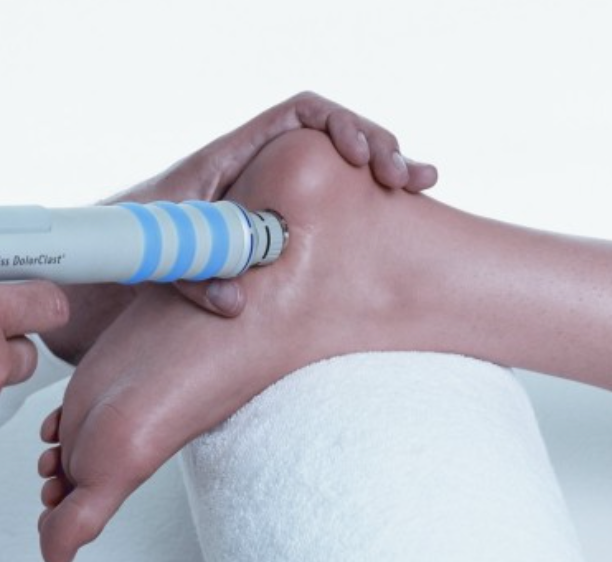
Shockwave therapy
Shockwave therapy uses sound waves applied to the heel to stimulate healing of the plantar fascia. It does not usually provide immediate relief, but pain often improves gradually over several weeks. It is a well-supported second-line treatment and can be safely combined with stretching, physiotherapy, and footwear modification.
PRP or Botox injections
PRP (platelet-rich plasma) and Botox injections aim to improve symptoms by promoting tissue healing or reducing muscle overactivity and strain on the plantar fascia. Benefits are similar to steroid in the short term but usually lasts longer (better results at 12 months).
These treatments may help some patients, but responses vary and they are generally considered only when standard treatments have not been successful. First line treatments should continue when undergoing second line treatments.
Non-surgical treatment

Surgical Treatments
Surgery is uncommon and only considered when:
- Symptoms persist beyond 6–12 months
- Appropriate non-surgical treatment has been fully tried
- Calf tightness is a major contributing factor
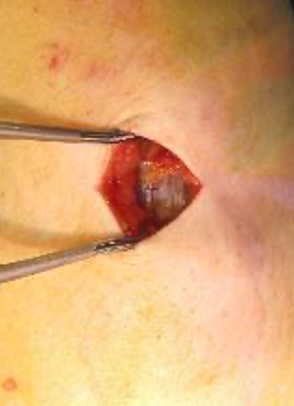
Gastrocnemius release (calf muscle release)
What is it?
- A small operation to lengthen the tight calf muscle
- Reduces strain on the plantar fascia
- Does not involve cutting the plantar fascia itself
Why this surgery?
- Addresses the main mechanical cause of plantar fasciitis
- Better outcomes than stretching alone in selected patients
- Lower risk than cutting the plantar fascia
Results
- Most patients experience significant pain improvement (>80%)
- Some improve within weeks, but recovery can continue for several months
- Long term results show recurrences are rare
Recovery
- Usually a day-case procedure
- Early walking encouraged
- Physiotherapy supports recovery
Plantar fascia release
- Cutting the plantar fascia is rarely recommended
- Can lead to persistent pain or new pain on the outer side of the foot
Only considered in very specific circumstances