In short
A gastrocnemius release lengthens a tight calf muscle that restricts ankle movement and contributes to forefoot overload, plantar fasciitis or Achilles problems. Through a small incision in the calf, the tight gristle on the muscle (aponeurosis) is released. It is a very simple, quick day-case operation. You can walk straight away in a boot, which can come off during the day but is worn at night for 6 weeks; golf, gym and casual hiking usually resume by 8 to 12 weeks.
- Anaesthetic
- General or regional anaesthetic
- Hospital stay
- Day case
- Walking afterwards
- Walking straight away in a boot
- Full recovery
- 3 to 6 months
Why is surgery sometimes needed?
A gastrocnemius release is a procedure used to lengthen a tight calf muscle (gastrocnemius) when it restricts ankle movement during walking and contributes to foot or ankle pain. Tight calves can increase pressure through the forefoot (forefoot overload), worsen plantar fasciitis or Achilles problems, and limit walking comfort. Surgical lengthening aims to improve ankle flexibility, reduce pain and improve function.
What does the operation involve?
- The procedure is usually performed as day-case surgery
- A small incision is made at the back or inner side of the calf
- The tight gastrocnemius aponeurosis (the gristle on the muscle) is carefully released or lengthened
- It is a very simple and quick operation
What to expect on the day
- Usually home the same day
- Leg is bandaged and a boot is provided
- You may walk unless instructed otherwise
- Pain is usually manageable with simple painkillers
- Elevation is important for swelling reduction
- The boot can be removed during the day but will need to be worn at night for 6 weeks
Recovery: what to expect
0 to 2 weeks
- A bandage or dressing will be applied to protect the incision
- Elevation helps reduce swelling
- Mild calf soreness or tightness is normal early on
- Stitches removed around 10 to 14 days
2 to 6 weeks
- Gradual increase in walking and movement
- Gentle physiotherapy and stretching typically start after wound healing
- The boot can be removed during the day but needs to stay on at night for 6 weeks
6 to 12 weeks
- Most daily activities become comfortable
- Exercise such as cycling or swimming can usually begin after wound healing
- Swelling and scar sensitivity continue to settle
3 to 6 months and beyond
- Scar tissue softens and the leg feels more natural
- Most patients return to golf, gym and casual hiking by 8 to 12 weeks
- Higher-impact sports by 3 to 6 months depending on comfort
- Final comfort levels may continue to improve for up to 6 to 12 months
Recovery varies with the exact procedure and with each person. You will get a plan specific to your operation.
Expected outcomes
Before surgery
- Stiffness or tightness in the calf during walking
- Heel or forefoot pain aggravated by activity
- Difficulty on hills, inclines or stairs
- Limited ankle movement despite stretching
After surgery
- Increased ankle flexibility
- Reduced tightness and improved gait
- Less strain through the heel and forefoot
- Greater comfort during walking and exercise
Results are durable when combined with rehabilitation and calf stretching. Physiotherapy plays an important role in maintaining flexibility, and supportive footwear with gradual activity progression improves outcome durability. Most patients have long-lasting symptom relief.
Consent information
Read the consent form before your operation so you know what you are agreeing to. Bring any questions to your pre-operative appointment.
- Consent form: gastrocnemius release (Word document)
Considering this operation?
Talk it through with Prof Mason. New consultation £250.
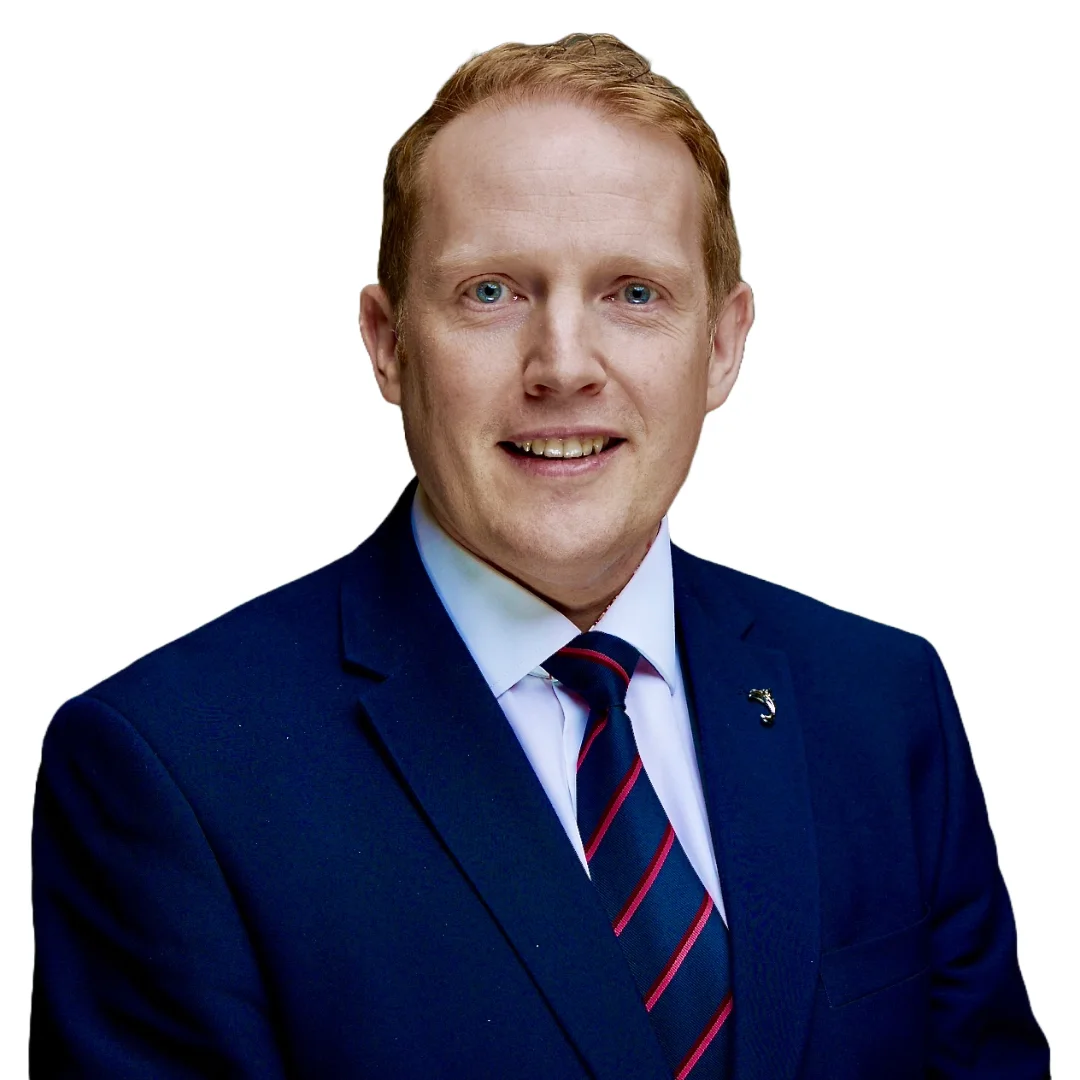
Consultant Foot and Ankle Surgeon, MB BCh, PhD, FRCS (Tr&Orth), FRCS (Glasg), SFHEA, FFSTEd. GMC 6074953.
Prof Mason's published research on this topic
Peer-reviewed papers by Prof Mason and his colleagues. Links open the paper or its PubMed record.
- Elnaggar O, Arelhi R, Coenen F, Hopkinson A, Mason L, Paoletti P. An interpretable framework for sleep posture change detection and postural inactivity segmentation using wrist kinematics. Scientific Reports, 2023.
- Elnaggar O, Coenen F, Hopkinson A, Mason L, Paoletti P. Sleep posture one-shot learning framework using kinematic data augmentation: in-silico and in-vivo case studies. Information Fusion (accepted for publication).